Aviation Fuel Strategy
FuelTankeringBenefits
Fuel tankering is a strategic fuel-management practice used by business aviation operators to reduce operating costs by purchasing fuel at lower-priced airports and avoiding expensive refueling locations.
Why Tanker
Key Benefits of Fuel Tankering
Strategic tankering can significantly reduce operational costs while improving planning efficiency.
Fuel Cost Savings
Purchase fuel where it is cheaper and avoid expensive destination airports.
Price Stability
Reduce exposure to volatile fuel prices by purchasing from predictable locations.
Budget Predictability
Improve financial forecasting by using preferred fueling airports.
Operational Efficiency
Reduce unnecessary refueling stops and improve scheduling flexibility.
Cost Analysis
Cost Savings on Fuel Purchases
Jet fuel prices vary significantly between airports due to supply chains, taxes, transportation costs, and airport handling fees.
By loading additional fuel at a lower-cost departure airport, operators can avoid purchasing expensive fuel at the destination.
Tankering can create immediate savings even after considering the additional fuel burn caused by carrying extra weight.
Net savings activate above break-even threshold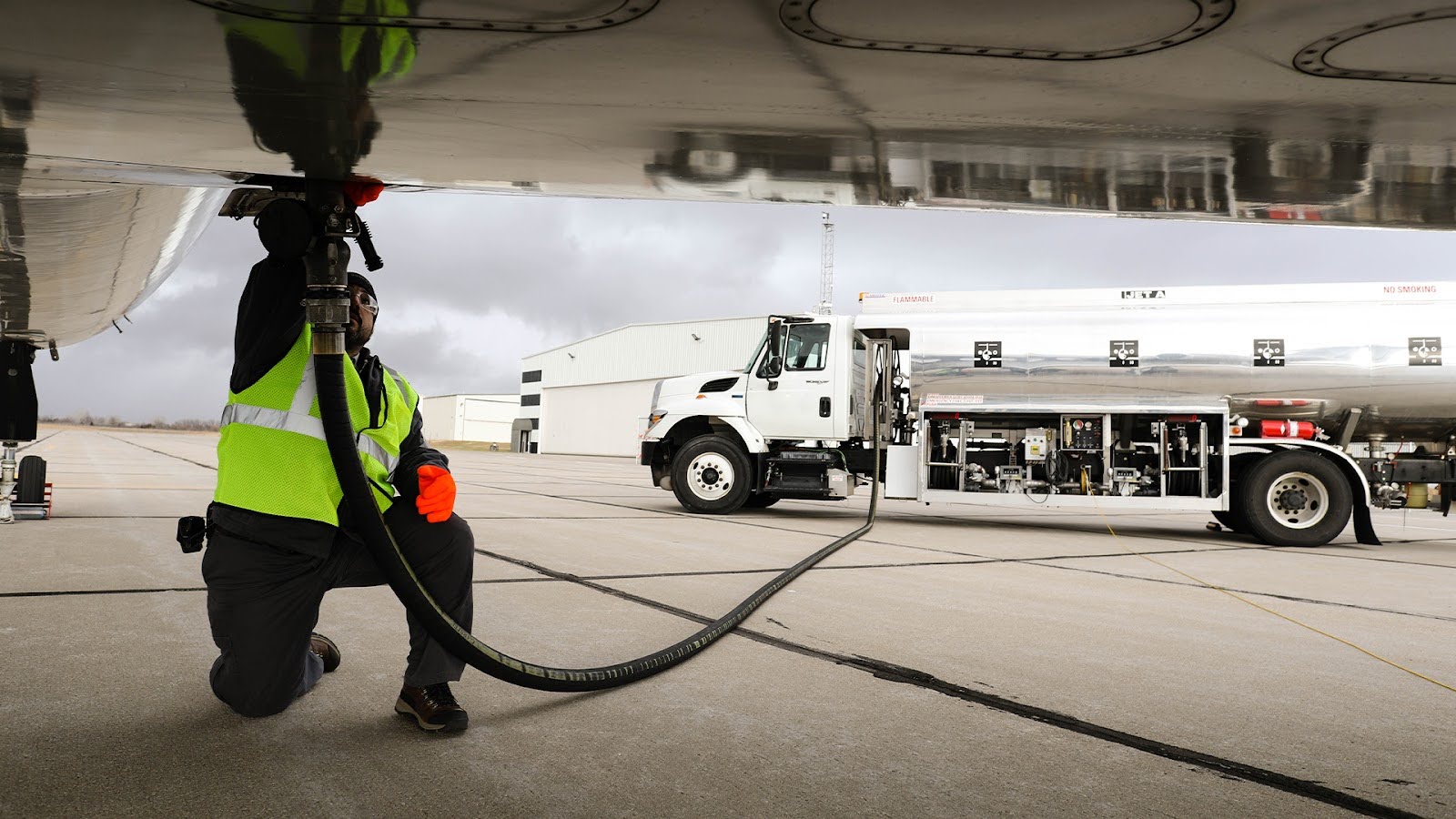

Strategic Edge
Operational & Strategic Advantages
- Avoid minimum fuel purchase requirements
- Reduce exposure to unexpected price spikes
- Improve scheduling and route planning
- Maintain operational flexibility
Decision Criteria
When Tankering Makes Sense
Four key factors determine whether tankering will generate genuine savings on your route.
Large Price Difference
The fuel price difference between airports is significant.
Low Cost-to-Carry
The additional fuel weight does not significantly increase fuel burn.
Available Fuel Capacity
The aircraft has remaining fuel capacity available.
Operational Limits
Runway performance and weight limits are not exceeded.
Optimize Your Fuel Strategy with FuelSmart Pro
FuelSmart Pro helps aviation operators evaluate tankering decisions by analyzing fuel prices, cost-to-carry, and operational constraints.
Launch FuelSmart Pro